Every viral short-form video follows a predictable structure rooted in attention psychology. Learn the four-phase framework that separates engineered content from accidental virality.
Why Structure Matters
When you analyze thousands of short-form videos that outperform their peers by 10x or more, one pattern emerges clearly: they all follow a predictable structural sequence. This isn't coincidence — it's psychology.
The human attention system evolved to seek patterns and resolve open loops. When your video is structured to work with these neurological tendencies instead of against them, retention isn't luck. It's engineering.
The four-phase structure framework gives you a repeatable template that works across TikTok, Instagram Reels, and YouTube Shorts — regardless of your niche, content style, or production budget.
Key insight: Creators who understand and apply structural frameworks consistently outperform those who rely on intuition alone — by an average of 340% on completion rate metrics across all major platforms.
Length Optimization
Optimal video length varies by platform and content type. The engagement score (out of 100) reflects average completion rate data across content categories.
The Core Framework
Each phase serves a specific psychological function. Skip or misexecute any phase and you risk losing viewers at that exact moment.
The hook is the single most important moment in any short-form video. Within 3 seconds, your viewer's brain makes a subconscious "scroll or stay" decision. Your hook must either create an immediate curiosity gap, deliver a surprising statement, or trigger an emotional response strong enough to override the scroll impulse.
The best hooks operate on two levels simultaneously: they promise specific value ("I made $14,000 in 30 days using this one technique...") while also creating a narrative tension that can only be resolved by watching further. This is the open-loop principle applied at maximum intensity.
After the initial hook captures attention, the viewer's brain begins to relax and recalibrate. The pattern interrupt phase exists to prevent this relaxation from turning into a scroll. This is achieved through a deliberate shift — a change in camera angle, a sound design spike, a visual cut to an unexpected image, or a sudden shift in energy or delivery pace.
Think of the pattern interrupt as a second "mini-hook." It re-activates the viewer's attention system before it has a chance to fully habituate to your content's rhythm. Creators who skip this phase see disproportionately high drop-off between 3 and 8 seconds.
The longest phase in the structure, core value delivery is where you fulfill the promise made by your hook. The challenge here is maintaining engagement density — ensuring that every few seconds delivers enough value, surprise, or emotional engagement to justify continued viewing.
The key principle is information-per-second. Each scene within this phase should advance the narrative or deliver a discrete unit of value. Use scene cuts every 3–5 seconds to reset the viewer's attention window. Embed micro-hooks — small curiosity gaps that pull viewers toward the next sentence or scene. Structure information as a progressive reveal: each piece of content received should make the viewer want the next piece more.
Viewers who reach your CTA phase represent your highest-intent audience. They've proven their interest by watching through the entire value delivery. This is precisely when conversion is most possible — and when most creators make the mistake of abruptly ending or placing a weak, generic call to action.
A strong close does two things: it resolves any remaining open loops from the core section (creating a sense of satisfying completion) and then immediately creates a new open loop that can only be resolved through the action you're requesting. Whether it's following for part two, clicking a link, or sharing with a friend — the CTA must feel like the natural next step, not an interruption.
Platform Specifics
Each platform has unique algorithmic preferences and audience behaviors. Adapt the core framework to fit each environment.
TikTok's audio culture means your first sound — a word, lyric, or effect — often decides retention before the visual registers. Open with a compelling audio hook.
TikTok audiences are conditioned to the fastest cut frequency of any platform. Aim for a new visual stimulus every 3–4 seconds during core delivery.
For discovery content, 15–30 second videos consistently outperform on completion rate. TikTok's algorithm weighs completion rate heavily in distribution decisions.
Reels users scroll visually first. Your opening frame must be visually arresting — composition, color, and motion all signal quality before the audio lands.
Reels audiences tolerate slightly longer scenes than TikTok. Use 4–6 second scenes in the core phase, allowing for richer visual storytelling.
Reels performs strongly with strategic text overlays in the first 7 seconds. This helps communicate value even to users with sound off.
Shorts are capped at 60 seconds, making the four-phase structure especially important. Every second must be allocated with intentional precision.
YouTube's audience is accustomed to longer content. Shorts can use slightly longer scenes — 5–8 seconds — without the same drop-off penalty seen on TikTok.
YouTube Shorts with keyword-rich spoken content and described hooks gain an average 34% more organic search discovery than TikTok equivalents. Use spoken keywords early.
The Science
This chart shows how attention behaves in typical vs. engineered short-form videos. The gap between the two lines represents captured viewers that would otherwise be lost.
Real-World Application
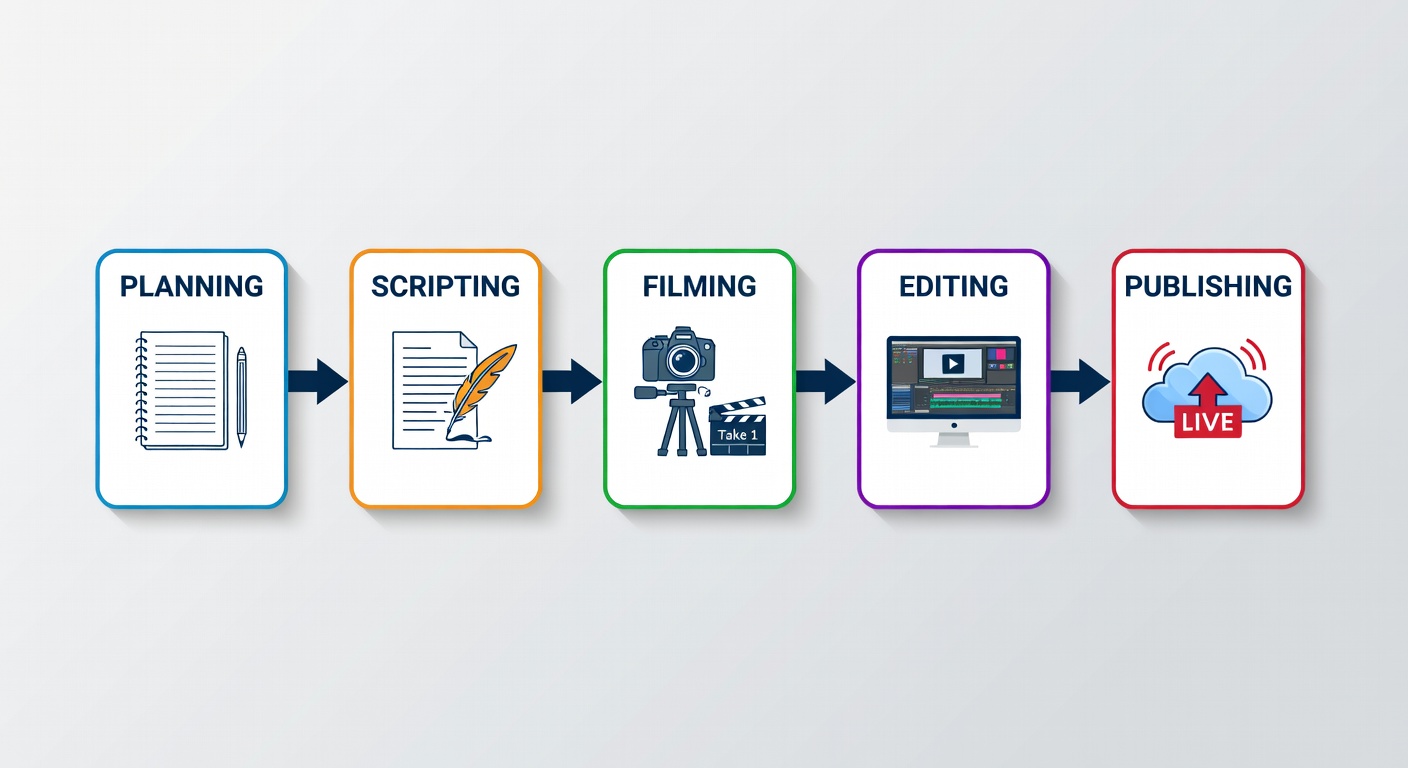
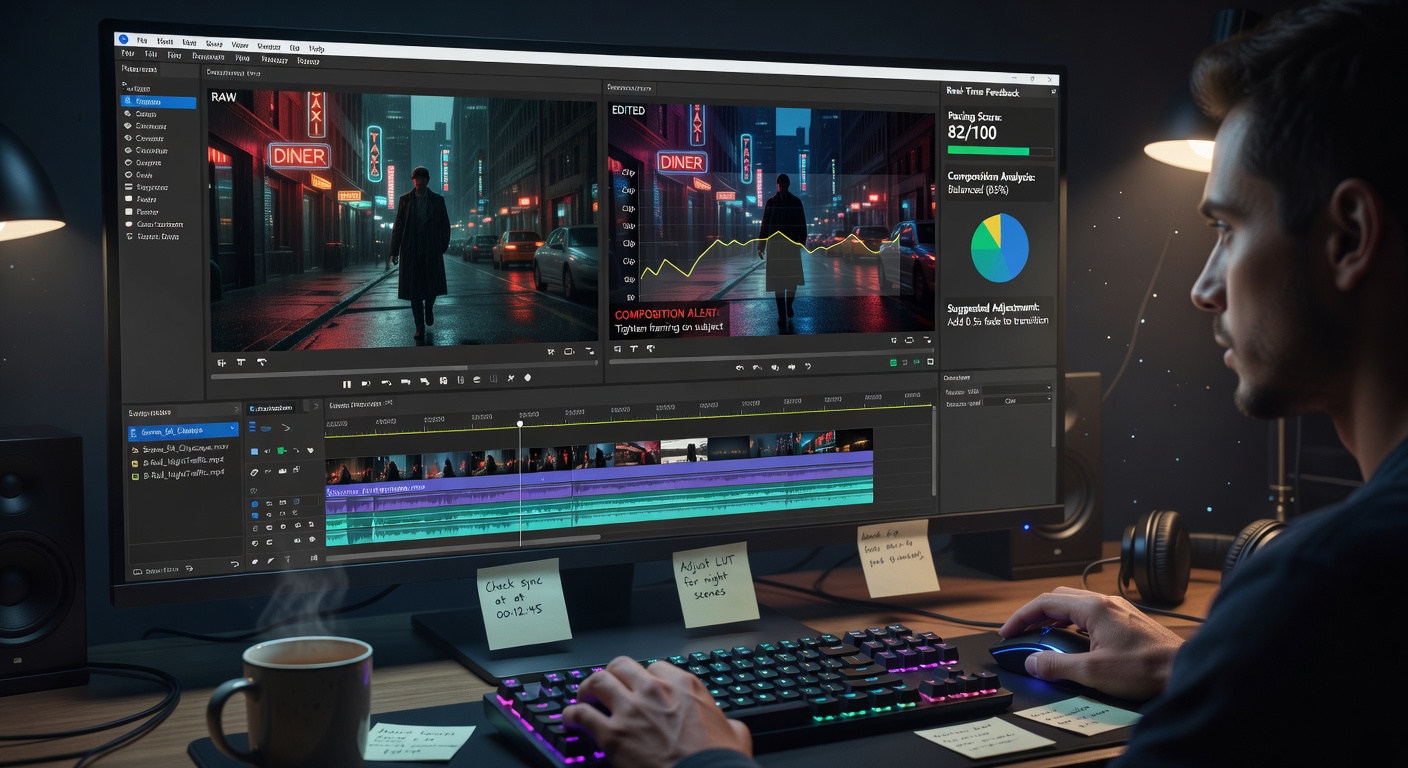
The four-phase structure isn't just conceptual — it maps directly to your editing timeline. Each phase corresponds to specific clip arrangements, cut frequency, and audio decisions that you execute in post-production.
When you open your editing software, color-code your timeline: green for hook, blue for pattern interrupt, purple for core value, amber for CTA. This visual structure makes it immediately obvious if any phase is over- or under-represented.
Color-code your timeline clips by phase for instant visual overview of structure balance
Export and review retention data from analytics to identify which phase is losing viewers
A/B test different hook formats while keeping the remaining phases identical to isolate variables
Script your videos phase-by-phase before filming to ensure intentional allocation of screen time
Use the shortformen structure preview tool to map your script or storyboard against the four-phase framework before you even pick up a camera. Identify structural gaps before production, not post.
Try the Structure Tool
Continue Learning
Structure is the foundation. These modules build the rest of your engineering toolkit.
How to structure each individual scene for maximum visual engagement and retention
→ Scene BreakdownThe six cut types and four rhythm patterns that keep viewers locked in through the core phase
→ Editing PatternsSeven advanced techniques that act as insurance against drop-off at every timestamp
→ Retention TechniquesA one-page reference sheet covering all four phases, platform-specific timing, and common structural mistakes. Print it. Keep it at your editing station.